Recipes
The slow-cooked Sunday: one pot, four dinners
Three hours of almost no attention on a Sunday afternoon buys you most of a week's dinners. This is the method, and the four things to do with what comes out of the pot.
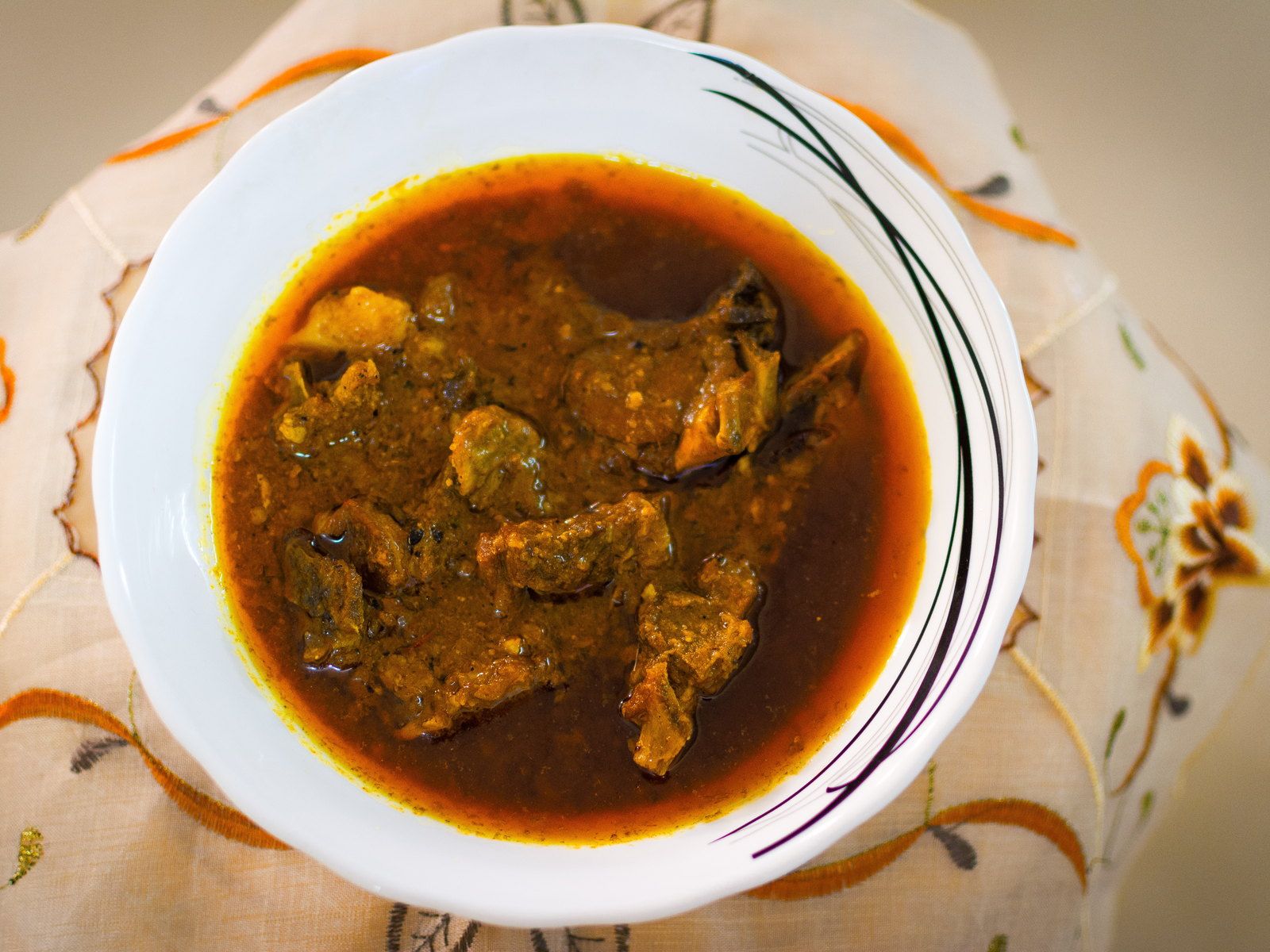
The most useful habit in low-carb cooking is a Sunday pot. Not meal prep in the grim sense — no identical plastic boxes, no eating the same thing five times — but one long, cheap, unattended braise that becomes four genuinely different dinners across the week.
The economics are absurd. A lamb shoulder or a couple of kilos of beef shin costs less than two restaurant mains, takes about twenty minutes of actual work, and the oven does the rest while you are doing something else entirely.
The method
This works with lamb shoulder, beef shin, beef chuck, pork shoulder or chicken thighs. The tougher and cheaper the cut, the better the result, because what you are doing over three hours is turning connective tissue into gelatine — which is where the texture and the body of the sauce both come from. A lean, expensive cut has nothing to convert and comes out dry.
1. Dry the meat, then brown it hard. Pat it dry with kitchen paper. Get a heavy pot properly hot with a high-heat fat — ghee or dripping — and brown the meat in batches until it is genuinely dark, not merely grey-brown. This is the single stage people rush and it is the one that decides whether the finished dish tastes of anything. Give it ten minutes. Take the meat out.
2. Build the base in the same fat. Onion, celery, carrot if you want it, cooked down in the browned residue until soft and starting to colour. Then garlic, then whole spices or dried herbs, thirty seconds in the hot fat to bloom them.
3. Deglaze. A splash of wine, vinegar or stock into the hot pan, scraped hard with a wooden spoon to lift everything stuck to the bottom. That layer is concentrated flavour and leaving it behind is a waste.
4. Liquid, but less than you think. Enough to come roughly two thirds of the way up the meat — not to cover it. A braise is not a stew and it is certainly not a soup. Too much liquid gives you pale meat in thin gravy. Tinned tomatoes, stock, or both.
5. Lid on, low oven, forget about it. Around 150°C for three hours, or until a fork goes in with no resistance and turns freely. It is done when it is done; the clock is a suggestion and the fork is the test.
6. Rest it, then separate. Lift the meat out, shred or chunk it, and reduce the remaining liquid on the hob until it coats a spoon. Keep meat and sauce in separate containers in the fridge. This is the step that makes four different dinners possible — combined, it is one dish forever; separated, it is a component.
Undercooked collagen is chewy and overcooked collagen is still fine. There is no real penalty for another forty minutes, so err long.
Sunday: eat it as it is
The first meal is the braise itself, with the reduced sauce spooned over and something green alongside. Cabbage shredded and fried hard in butter until the edges catch is the right side and costs almost nothing. Cauliflower mash if you want something to hold the sauce — florets boiled until very soft, drained properly, then blitzed with butter and a little cream. Drain it properly; watery cauliflower mash is a sad thing.
Tuesday: the ragù
Take a third of the shredded meat and a third of the sauce, loosen it with a splash of stock, and reduce it down until it is thick and glossy rather than saucy. Finish with a knob of cold butter off the heat and a lot of grated parmesan.
Over courgette ribbons this is a proper dinner. Cut the courgettes into wide ribbons with a peeler, salt them for ten minutes, then pat them dry and warm them through in a pan for no more than a minute. Do not boil them and do not cook them into submission — they should still have structure. The salting draws out the water that otherwise ends up thinning your sauce.
Wednesday: the fried-crisp plate
The best of the four, and the least obvious. Take a handful of the meat and fry it in a hot pan in a little fat without moving it, until one side goes properly crisp. What you want is the contrast between the crisp edges and the soft interior.
Serve it on top of something sharp and cold — shredded raw cabbage with lemon and olive oil, or chopped cucumber and tomato with lots of herbs. A spoonful of yoghurt or soured cream on the side. The combination of hot crisp fatty meat and cold sharp vegetables is the thing that stops the week’s dinners feeling repetitive.
Thursday: the soup that does not taste like leftovers
Whatever is left, plus the last of the sauce, plus stock. Bring it up to a simmer, add a couple of big handfuls of spinach or shredded greens and let them wilt, then take it off the heat.
Two things transform this from thin leftovers into something you would choose to eat. Acid — a squeeze of lemon or a teaspoon of vinegar, stirred in at the end, which lifts everything. And fat — a swirl of cream, or good olive oil poured over the top in the bowl. Neither is optional. A long-cooked broth without a final hit of acid always tastes flat, and the reason is that three hours of simmering drives off exactly the volatile, bright notes that acid restores.
What to buy
| Cut | Roughly | Feeds |
|---|---|---|
| Lamb shoulder, bone in | 1.5–2 kg | Four dinners for two |
| Beef shin, sliced across the bone | 1.5 kg | Four dinners for two, and the marrow is a bonus |
| Beef chuck or brisket | 1.5 kg | Four dinners for two |
| Pork shoulder | 1.5–2 kg | Four, and the fat renders into the sauce beautifully |
| Chicken thighs, bone in, skin on | 12 | Three dinners for two, and only needs 90 minutes |
Ask the butcher for shin sliced across the bone rather than diced. The bone and marrow go into the pot and give the sauce a body you cannot get any other way.
The one thing not to skip
Brown the meat properly. Everything else in this method is forgiving — the liquid can be approximate, the oven can be twenty degrees out, the timing can slip by an hour. But a braise built on pale meat tastes thin for three hours and there is no rescuing it later.
Get the pot hot, work in batches, and let each piece go dark before you turn it. That is the ten minutes the whole week rests on.
Ketolife writes about cooking. Nothing here is medical advice — if you are managing a health condition or taking medication, talk to your doctor before changing how you eat.
All articles