Getting started
The first two weeks: what to cook when everything feels unfamiliar
Most people quit low-carb cooking in week one, and it is almost never about willpower. It is about not knowing what to put on a plate at seven in the evening.
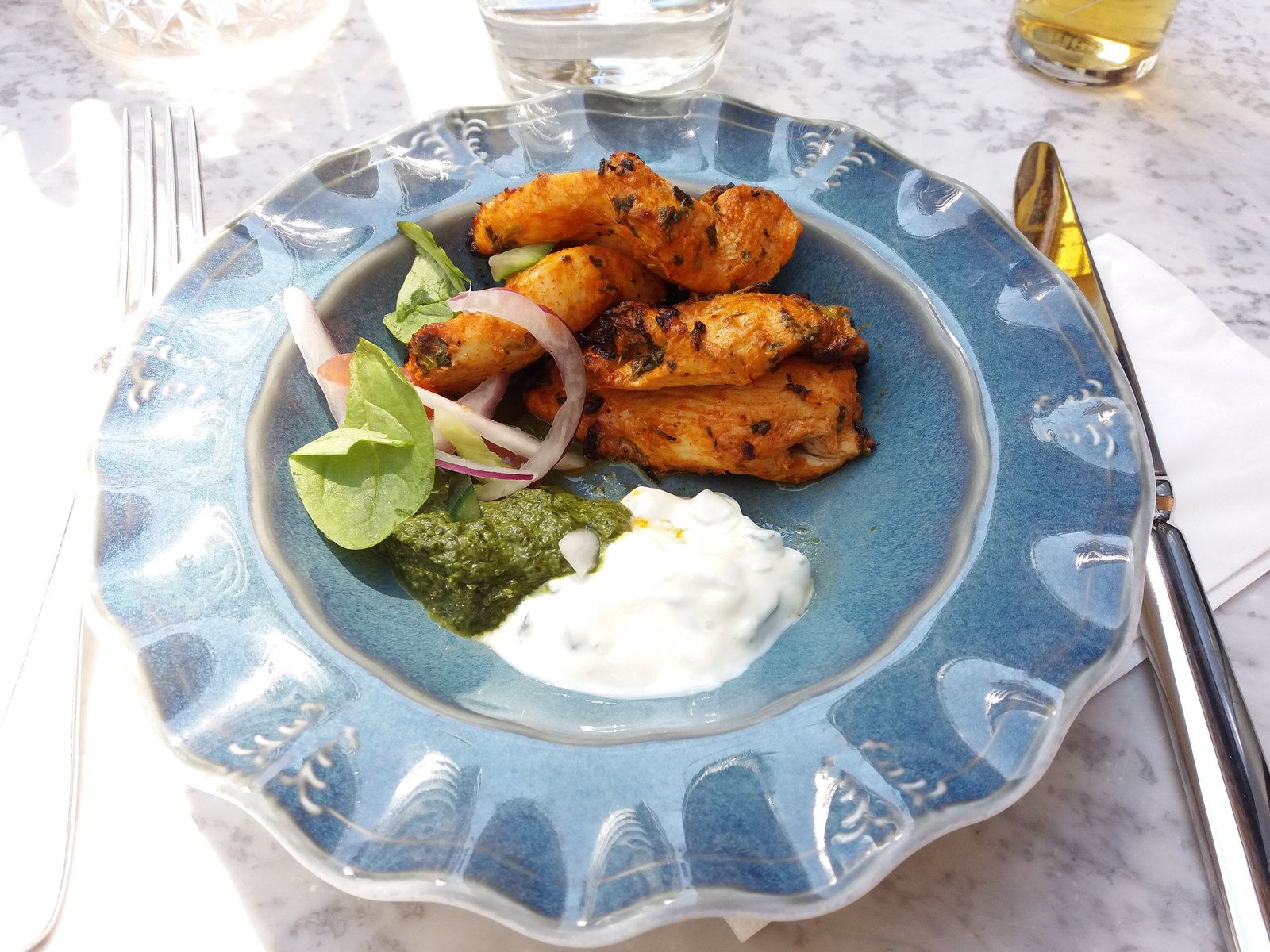
The hard part of cutting carbohydrate is not the craving. It is standing in front of an open fridge at seven in the evening with no idea what dinner looks like any more. Every meal you know how to cook without thinking has rice, bread, pasta or potatoes holding it together. Take those away and you are not on a diet, you are a beginner cook again.
So the goal of the first fortnight is not variety. It is building four dinners you can make without looking anything up. Four is enough. You will get bored in month two and that is exactly when you go looking for recipe five.
Pick four, cook them twice each
Choose four dinners that share a shopping list, then cook each one twice over the fortnight. The second time is always faster, better seasoned and less stressful, and that second attempt is what actually turns a recipe into something you own.
A set that works well together:
- Something roasted on a tray. Chicken thighs, a head of cauliflower broken into florets, olive oil, salt, and whatever dried spice you like. One tray, one oven, forty minutes, no attention required.
- Something fried fast in a pan. Prawns or sliced steak with garlic and butter, greens wilted in the same pan afterwards to pick up what is left behind.
- Something eggy. A frittata or a big omelette with cheese and last night’s leftover vegetables folded in. This is the emergency dinner, and you want it in your hands before you need it.
- Something slow. A pot of braised lamb, beef or chicken that cooks itself while you do other things and gives you three more meals afterwards.
Between them you have covered the whole week: the night you have time, the night you have fifteen minutes, the night the fridge is nearly empty, and the night you want to cook properly.
The three swaps that carry most of the weight
You do not need to relearn cooking. You need three substitutions, and they get you surprisingly far.
Cauliflower where rice went. Pulse florets in a food processor until they look like coarse grains, then fry them dry in a hot pan for a few minutes. The mistake everyone makes first time is adding liquid or a lid — that steams it and you get a wet, sulphurous mush. Keep the pan hot, keep it moving, take it off while it still has a bit of bite.
Cream or cheese where flour went. Flour-thickened sauces are easy to replace: reduce the liquid harder and finish it with cream, crème fraîche or a handful of grated hard cheese. It is a different sauce, not a worse one. Reduce first, add dairy last, off the heat if it is likely to split.
Leaves and pancakes where bread went. Little gem lettuce, blanched cabbage leaves and thin egg-and-cream cheese pancakes all hold a filling. None of them is bread and pretending otherwise leads to disappointment. Treat them as their own thing.
Stop trying to make a convincing fake version of a carb. Make a good version of something else.
Salt more than you think
This is the single most common beginner complaint: food tastes flat and you feel tired. Part of it is straightforward cooking — when you take away bread, rice and pasta you also take away a lot of the salt that came with them, usually without noticing. Salt your food properly, use a good stock, and taste as you go.
The other part is that a big change in how you eat can leave you feeling off for a few days while your body adjusts. That is worth a conversation with your GP rather than a blog, particularly if you take medication for blood pressure or diabetes, where changing what you eat can change how much medication you need. We cook here; we are not qualified to advise on that and will not try.
Shop once, not five times
Five small shops in a week is five chances to pick up a bag of something you did not intend to buy. One planned shop, with a list built from your four dinners, removes the decision entirely.
| What to buy plenty of | What to buy carefully | What to leave |
|---|---|---|
| Eggs, butter, hard cheese, cream | Tomatoes, onions, carrots | Bread, rice, pasta, potatoes |
| Chicken thighs, mince, cheap braising cuts | Yoghurt — check the sugar on the label | “Low-fat” anything with a long ingredients list |
| Cauliflower, courgette, cabbage, spinach | Nuts, which are very easy to overeat | Fruit juice and smoothies |
| Olive oil, tinned tomatoes, stock | Berries | Most breakfast cereal |
Buy the cheap braising cuts. Shin, shoulder and thigh are the cuts that reward a slow pot, and they cost a fraction of what a fillet does.
Week two is the easy one
By the second week the shape of the thing has changed. You have cooked each dinner once, so you know which one took longer than you expected and which one you would happily eat again tomorrow. Your fridge has the right things in it. The tray-roast has become a default rather than a decision.
That is the whole goal of the fortnight. Not a transformation — a small, boring competence: four dinners you can cook tired, on a weeknight, without a recipe open on the counter.
Start with the tray. It is the most forgiving thing in the whole repertoire, and the first time it comes out of the oven properly browned and properly salted you will stop worrying about the rest.
Ketolife writes about cooking. Nothing here is medical advice — if you are managing a health condition or taking medication, talk to your doctor before changing how you eat.
All articles